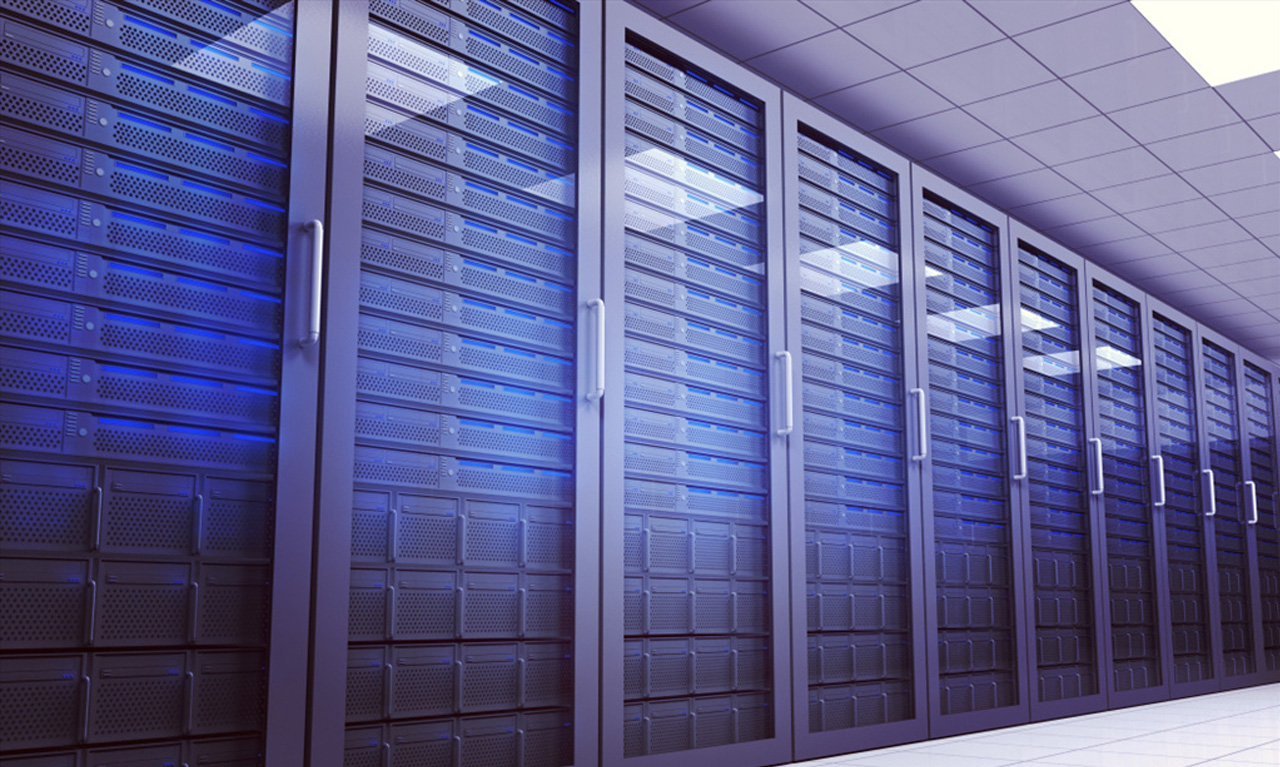

In data centers, industrial control systems, and essential public facilities, loads often cannot tolerate a noticeable interruption in power. A static transfer switch (STS) switches rapidly between two power sources and plays an important role in a highly available power architecture.
Millisecond switching reduces interruption risk
Compared with mechanical transfer devices, an STS uses power semiconductor components to transfer between sources. When input conditions are met, it can switch quickly, reducing the likelihood of sensitive loads losing power or restarting.
Dual power sources provide redundancy
An STS can connect to two independent input power sources. If the primary source fails, the unit switches to the backup source according to preset logic, improving the power system's fault tolerance.
Design and selection matter too
The actual performance of an STS depends on input power quality, phase conditions, coordination of upstream and downstream protection, and load characteristics. Before implementation, qualified personnel should verify rated current, peak current, and transfer conditions.
Reliable power does not depend on a single device. It results from the combined design of power sources, distribution, protection, and operations.